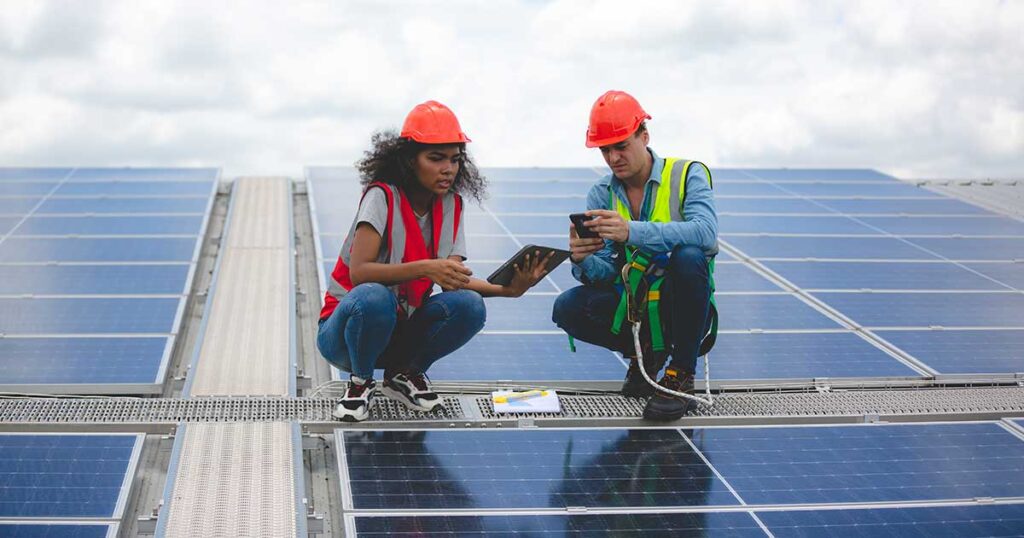

Energy efficiency has become a growing priority for homeowners looking to reduce rising utility bills and create a more sustainable living environment. Fortunately, improving household energy performance does not always require expensive renovations or major structural upgrades. In many cases, small home improvements and smarter daily habits can lead to significant long-term energy savings. From improving insulation and upgrading lighting to maintaining heating and cooling systems, practical changes can help reduce unnecessary energy consumption while improving indoor comfort throughout the year.
Many households are now turning to professional energy services to identify areas where energy is being wasted and to improve overall home efficiency. Combined with simple upgrades such as LED lighting, programmable thermostats, and better ventilation, these solutions can lower monthly energy costs and support a more environmentally responsible lifestyle. By making targeted improvements, homeowners can increase efficiency, reduce strain on HVAC systems, and create a more comfortable and cost-effective home.
Improve Insulation Around the Home
Poor insulation is one of the most common reasons homes lose energy. Warm air escapes during winter, while cool air leaks out in summer, forcing heating and cooling systems to work harder than necessary.
Simple improvements can help reduce this issue considerably. Sealing gaps around doors and windows with draught excluders or weather stripping is a straightforward starting point. Loft insulation is another effective option, as heat naturally rises and can easily escape through an uninsulated roof space.
Even adding thicker curtains can help regulate indoor temperatures by reducing heat transfer through windows. These smaller adjustments improve comfort while easing pressure on household heating systems.
Upgrade to Energy-Efficient Lighting
Lighting accounts for a noticeable share of household electricity usage, particularly in homes still relying on older bulbs. Switching to LED lighting is one of the quickest and most affordable changes homeowners can make.
LED bulbs:
- Use significantly less electricity than traditional bulbs
- Last much longer before replacement is needed
- Produce less heat
- Provide consistent brightness
- Work well in most rooms and fixtures
Although the initial purchase cost may be slightly higher, LEDs generally save money over time because they consume less energy and require fewer replacements.
Making the switch room by room can gradually reduce electricity usage without disrupting daily routines.
Adjust Thermostat Settings Carefully
Many households waste energy simply by overheating or overcooling rooms unnecessarily. Even lowering the thermostat by one degree during colder months can help reduce energy usage without making the home uncomfortable.
Programmable thermostats can help maintain more efficient temperature control throughout the day. Heating can automatically reduce when the house is empty and increase again before residents return.
Similarly, during warmer weather, avoiding excessively low air conditioning settings helps reduce strain on cooling systems. Consistent and moderate temperature management often improves efficiency more effectively than dramatic adjustments.
Reduce Standby Power Usage
Modern homes contain numerous electronic devices that continue using electricity even when switched off. Televisions, gaming consoles, kitchen appliances, chargers, and office equipment often consume standby power continuously.
While the energy used by a single device may appear small, the combined effect across an entire household can become significant over time.
Practical ways to minimise standby power include:
- Unplugging unused chargers
- Switching appliances off at the wall
- Using smart power strips
- Turning off entertainment systems fully overnight
- Disconnecting rarely used devices
These habits require little effort yet can contribute to lower electricity bills over the course of a year.
Maintain Heating and Cooling Systems
Heating and cooling equipment operates more efficiently when properly maintained. Dirty filters, blocked vents, and neglected systems force appliances to work harder, increasing energy consumption and potentially shortening equipment lifespan.
Replacing air filters regularly allows better airflow and improves system performance. Keeping vents unobstructed by furniture also helps maintain balanced temperatures throughout the home.
Routine inspections can identify issues before they become expensive repairs. Many homeowners rely on energy services to evaluate system efficiency and identify areas where energy is being wasted unnecessarily.
Regular maintenance not only improves efficiency but can also help maintain healthier indoor air quality.
Use Water More Efficiently
Hot water usage contributes heavily to household energy costs. Fortunately, several simple changes can help reduce waste without sacrificing comfort.
Shorter showers can significantly lower hot water consumption, particularly in larger households. Installing low-flow showerheads and taps also helps reduce water usage while maintaining acceptable pressure levels.
Washing clothes at lower temperatures can further reduce energy demand. Modern detergents are generally effective even in cooler water, making high-temperature washing less necessary for everyday laundry.
Fixing dripping taps is another important step, as small leaks can waste both water and energy over time.
Make Better Use of Natural Light and Ventilation
Many homes rely heavily on artificial lighting and mechanical cooling even when natural alternatives are available. Making better use of daylight and ventilation can help reduce energy consumption naturally.
Opening curtains during daylight hours allows sunlight to brighten rooms and provide passive warmth during colder seasons. In warmer months, cross-ventilation from open windows can help cool indoor spaces without immediately relying on fans or air conditioning.
Strategically placed mirrors can also help distribute natural light more effectively throughout the home. These subtle adjustments improve comfort while reducing dependence on electrical systems.
Replace Older Appliances Gradually
Older appliances often consume far more energy than modern alternatives. Refrigerators, washing machines, dishwashers, and boilers become less efficient with age, particularly if they have not been maintained properly.
Replacing every appliance at once is rarely practical, but gradual upgrades can lead to meaningful savings over time. Choosing models with strong energy ratings helps reduce long-term operating costs.
When purchasing new appliances, homeowners should consider:
- Energy efficiency ratings
- Estimated annual energy use
- Appliance size relative to household needs
- Smart energy-saving features
- Long-term running costs rather than only purchase price
Even a single upgraded appliance can contribute to lower monthly energy consumption.
Conclusion
Improving home energy efficiency does not always require large-scale renovations or expensive technology. Small, consistent changes can gradually reduce waste, lower utility bills, and create a more comfortable living environment throughout the year.
Simple actions such as sealing draughts, upgrading lighting, adjusting thermostat settings, and maintaining heating systems often provide noticeable benefits with relatively little investment. Over time, these improvements can add up to substantial savings while also reducing unnecessary strain on household equipment.
As energy costs continue to fluctuate, homeowners are increasingly recognising the value of practical efficiency measures. By combining everyday habits with thoughtful home improvements, it becomes much easier to create a property that is both comfortable and more economical to run.