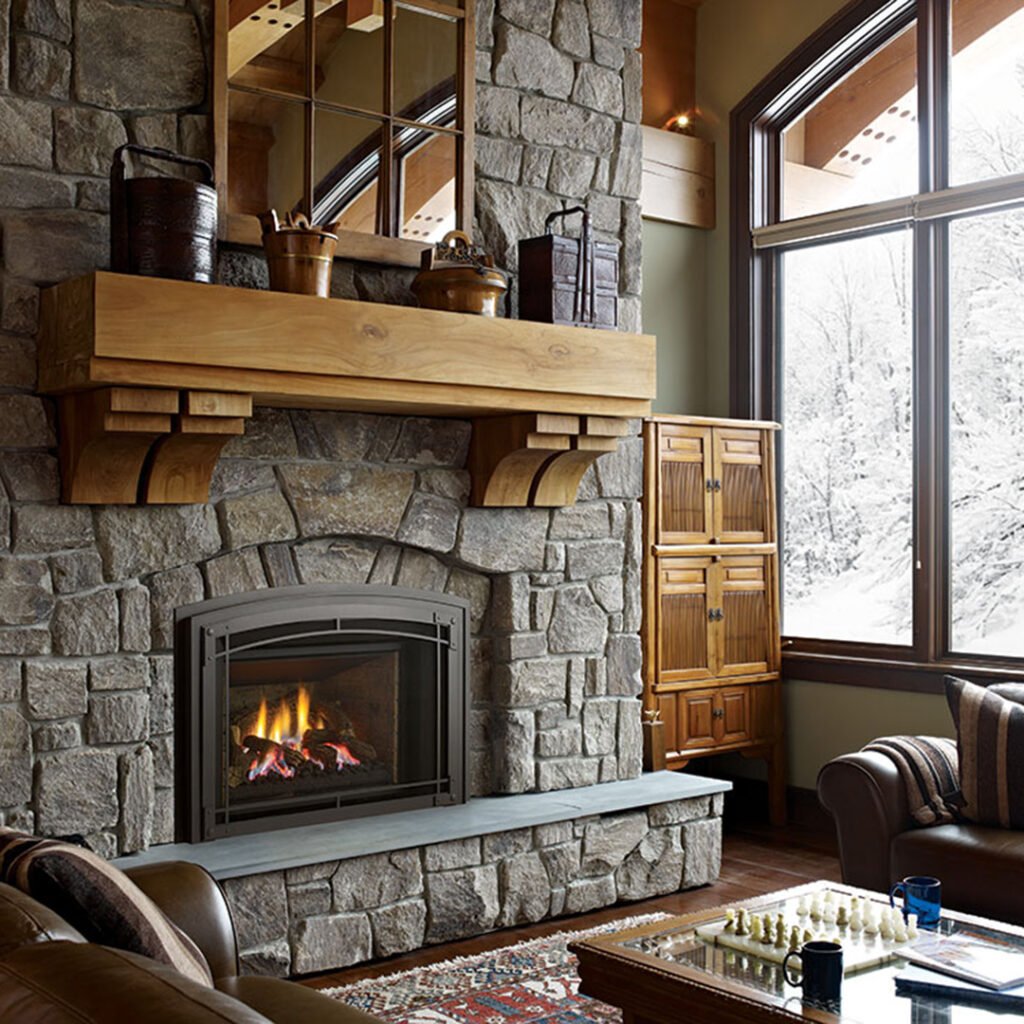

A fireplace can do more than add warmth to a Minneapolis home. It can become a defining architectural feature, create a natural gathering point, and complement the character of a room throughout the year. Whether you live in a classic older property or a newer home with a contemporary layout, choosing the right fireplace style can make the space feel more cohesive.
For homeowners considering fireplace installation in Minneapolis, the best choice often comes down to the home’s architecture, available space, and the atmosphere you want to create.
Traditional Masonry Fireplaces for Classic Homes
Few fireplace designs have the visual presence of a traditional masonry fireplace. Built with materials such as brick or stone, these fireplaces can give a room a substantial, established appearance that works especially well with traditional architectural styles.
A brick fireplace can bring warmth and texture to a living room without requiring much additional decoration. Depending on the home’s design, homeowners might choose a classic red brick finish, painted brick, or a more understated neutral tone.
Stone offers another option for creating a traditional focal point. Fieldstone, limestone, and other natural-looking materials can introduce variation in color and texture while giving the fireplace a substantial appearance.
For homes with traditional interiors, a simple mantel above the fireplace can complete the look. Wood mantels tend to add warmth, while a painted mantel can create a cleaner transition between the fireplace and surrounding walls.
Modern Fireplaces for Contemporary Interiors
A fireplace does not have to look rustic or traditional. Modern designs can be surprisingly sleek, making them a natural fit for Minneapolis homes with contemporary interiors.
Linear fireplaces are particularly effective when the goal is to create a streamlined focal point. Their long, horizontal shape can work well beneath a television or within a feature wall, although the specific installation should account for manufacturer requirements and safe clearances.
Minimalist surrounds can further enhance a contemporary look. Large-format tile, smooth stone, concrete-inspired finishes, or simple painted surfaces can help the fireplace blend into the architecture rather than dominate it.
For open-concept spaces, a modern fireplace can also help define separate areas without requiring a physical wall. Positioned between a living area and another part of the home, it can provide visual separation while maintaining an open feel.
Gas Fireplaces for Convenience and Flexible Design
For homeowners who want the appearance and ambiance of a fireplace without maintaining a traditional wood fire, gas fireplaces can be an appealing option.
Gas models are available in a wide range of configurations, from traditional fireboxes with logs to contemporary designs with clean glass fronts and decorative media. This flexibility makes it easier to find a style that works with both classic and modern interiors.
Another advantage is design versatility. A gas fireplace can be incorporated into a built-in entertainment wall, placed within a stone surround, or used as a standalone architectural feature.
The surrounding materials still matter. A simple fireplace can become much more distinctive when paired with carefully selected tile, stone, wood, or millwork.
Wood-Burning Fireplaces for Natural Character
For many homeowners, nothing quite replicates the atmosphere of a wood-burning fireplace. The natural appearance of real logs, the movement of the flames, and the sensory experience of burning wood can give a room a particularly inviting character.
Wood-burning fireplaces tend to work especially well in spaces where a traditional or rustic aesthetic is intentional. Exposed brick, natural stone, reclaimed wood, and substantial mantels can reinforce that feeling without making the room appear overly decorated.
However, wood-burning systems require more ongoing attention than some alternatives. Homeowners need to consider firewood storage, chimney maintenance, proper ventilation, and regular inspections. The fireplace and chimney should also be designed and installed according to applicable safety requirements.
Double-Sided Fireplaces for Open Floor Plans
A double-sided fireplace can be an effective solution when one fireplace needs to serve more than one area.
Instead of facing entirely into a single room, a two-sided design can visually connect spaces such as a living room and dining area. It can provide a focal point from multiple directions while maintaining a sense of separation between the spaces.
This style is particularly suited to larger homes or open layouts where furniture and architectural elements need to establish distinct zones.
Because double-sided fireplaces involve more complex planning, their placement, ventilation, clearances, and surrounding materials need to be considered carefully from the beginning of the project.
Corner Fireplaces for Smaller Rooms
Not every Minneapolis home has space for a large fireplace centered on the main wall. A corner fireplace can make better use of an awkward or underused area while still providing the visual appeal of a traditional focal point.
Corner installations can be useful in bedrooms, smaller living rooms, and spaces where the main walls are already occupied by windows, doors, or built-ins.
The key is proportion. A fireplace that is too large can overwhelm a compact room, while a smaller model can add warmth and character without making the space feel crowded.
Choosing Materials That Complement Your Home
The fireplace itself is only part of the design. The surround and mantel can dramatically change how the finished installation looks.
Brick works well for traditional, industrial, and farmhouse-inspired interiors. Natural stone can create a more organic appearance, while tile provides almost unlimited opportunities for color, pattern, and texture. For a quieter contemporary design, a simple plaster-style or painted surround may be enough.
Consider the materials already present in the room before making a decision. Matching every surface is rarely necessary, but the fireplace should feel connected to the flooring, cabinetry, furniture, and architectural details.
Scale is equally important. A large fireplace needs enough surrounding space to feel intentional, while a compact design can be better suited to a smaller room.
Think Beyond Appearance
The most successful fireplace choice balances aesthetics with practical considerations. Before selecting a model or style, homeowners should consider the size of the room, available ventilation, fuel type, chimney requirements, installation location, and local building requirements.
It is also worth thinking about how the fireplace will be used. A homeowner who wants occasional ambiance may have different priorities from someone looking for a primary source of supplemental heat.
Professional planning is especially important when installing or modifying a fireplace because ventilation, clearances, and chimney components are directly connected to safe operation.
Conclusion
From traditional brick surrounds to sleek linear designs, there is no single fireplace style that defines a Minneapolis home. The right choice depends on the property’s architecture, the room’s proportions, the homeowner’s preferred aesthetic, and practical installation requirements.
A thoughtfully designed fireplace should feel like it belongs in the home rather than looking like an addition placed after the fact. By considering style, materials, placement, and function together, homeowners can create a fireplace that remains attractive and useful for years to come.